Portable Wood Fired Sauna Buyer's Guide: What Works

Affiliate disclosure: Some links on this page are affiliate links. If you buy through them we earn a small commission at no extra cost to you. Recommendations are research-driven; we don't claim personal use of every product reviewed. Product prices and availability are accurate as of the date published and are subject to change. Always check Amazon for current pricing before purchasing. Learn more.
Quick Picks
WillowyBe Outdoor Sauna Hot Tent Stove, Rocket Stove Heater, Portable Camping Wood Stove for Dry Sauna, Cooking for Husband and Friends
Quality construction suited to regular home sauna use
Buy on AmazonSweatTent High-Output Wood Burning Sauna Stove Kit – Includes Rock Basket, Heat-Resistant Gloves & Fire Poker – Portable Stainless Steel Heater for Outdoor Tents – Fast Heating & Professional-Grade
Quality construction suited to regular home sauna use
Buy on AmazonAlbott Outdoor Sauna Tent with Wood Burning Stove, 4-6 Person Portable Sauna Tent, 8.2 x 8.2 x 6.7 FT, 3-Layer Thermal Oxford Fabric, Pop-Up Setup, Open-View Windows, Ground Nails & Wind Ropes, Grey
Quality construction suited to regular home sauna use
Buy on Amazon| Product | Price Range | Top Strength | Key Weakness | Buy |
|---|---|---|---|---|
| WillowyBe Outdoor Sauna Hot Tent Stove, Rocket Stove Heater, Portable Camping Wood Stove for Dry Sauna, Cooking for Husband and Friends best overall | $$$ | Quality construction suited to regular home sauna use | Confirm specifications match your specific installation space and electrical requirements | Buy on Amazon |
| SweatTent High-Output Wood Burning Sauna Stove Kit – Includes Rock Basket, Heat-Resistant Gloves & Fire Poker – Portable Stainless Steel Heater for Outdoor Tents – Fast Heating & Professional-Grade also consider | $$$ | Quality construction suited to regular home sauna use | Confirm specifications match your specific installation space and electrical requirements | Buy on Amazon |
| Albott Outdoor Sauna Tent with Wood Burning Stove, 4-6 Person Portable Sauna Tent, 8.2 x 8.2 x 6.7 FT, 3-Layer Thermal Oxford Fabric, Pop-Up Setup, Open-View Windows, Ground Nails & Wind Ropes, Grey also consider | $$$ | Quality construction suited to regular home sauna use | Confirm specifications match your specific installation space and electrical requirements | Buy on Amazon |
| Guide Gear Outdoor Wood Burning Stove; Portable with Chimney Pipe for Cooking and Camping also consider | $$$ | Quality construction suited to regular home sauna use | Confirm specifications match your specific installation space and electrical requirements | Buy on Amazon |
| Harvia Smart Sensor for Sauna Heaters, Compatible with Electric and Wood Burning Sauna Stoves, Adaptive Learning System, Integrated with MyHarvia App to Control Temperature, Humidity & Usage also consider | $$$ | Quality construction suited to regular home sauna use | Confirm specifications match your specific installation space and electrical requirements | Buy on Amazon |
Choosing a portable wood fired sauna that actually delivers traditional heat, not a lukewarm approximation, means sorting through a category where tent construction, stove output, and setup logistics vary widely. For buyers serious about an authentic sauna experience without a permanent structure, this guide covers the stoves and complete systems that hold up to real use. The broader Wood-Fired Saunas category is worth exploring before committing to a portable setup specifically.
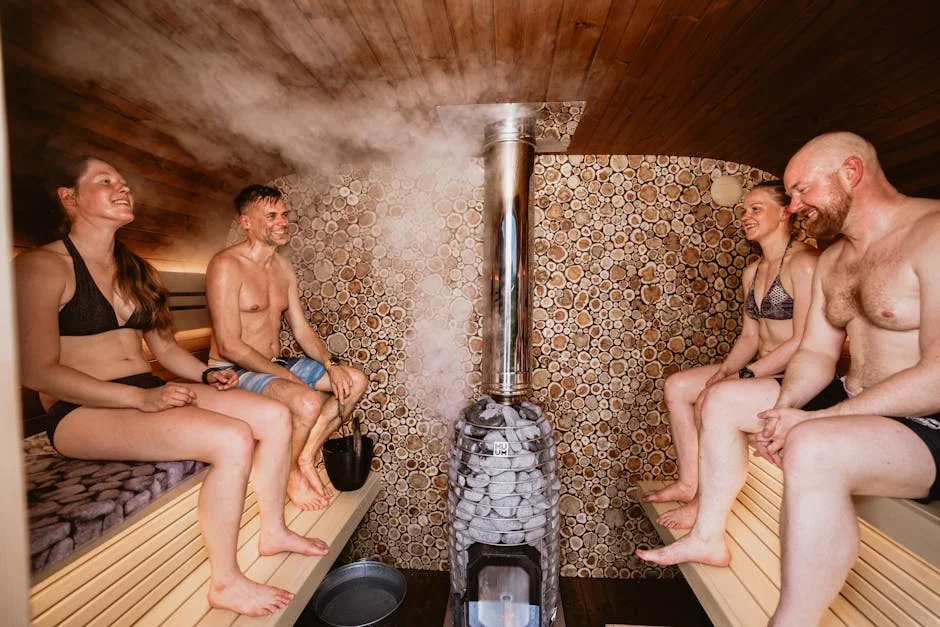
What separates a functional portable sauna from an overpriced camping gimmick comes down to three things: thermal retention, stove output, and how fast the whole system reaches temperature. Get those right, and a portable wood-fired setup delivers an experience close to a traditional Finnish sauna. Get them wrong, and you’re sitting in a mildly warm tent.
What to Look For in a Portable Wood-Fired Sauna
Stove Output and Heating Time
Stove output is the first number worth understanding. A tent sauna’s heating time depends almost entirely on the stove’s BTU capacity relative to the tent’s cubic footage. A small-volume tent, say, four-person capacity, will reach sauna temperature faster with an oversized stove than with one sized precisely to the space. Most experienced buyers err toward more output rather than less, since you can manage heat by cracking a vent or feeding less wood. You cannot compensate for an underpowered stove.
Heating time to temperature, typically defined as 80°C (176°F) for a traditional sauna, should be achievable within 30 to 45 minutes in a properly insulated tent under normal outdoor conditions. Verified buyers consistently note that colder ambient temperatures extend heating time significantly. A stove that reaches temperature in 35 minutes at 10°C may take 55 minutes at -10°C. Understanding this curve before purchase determines whether a setup works for year-round use or only fair-weather sessions.
Tent Construction and Thermal Retention
Three-layer fabric construction is the standard for portable sauna tents that hold heat effectively. A single- or double-layer tent loses heat too rapidly to maintain sauna temperatures without continuous, heavy wood consumption, which defeats the efficiency argument for a portable setup. Oxford fabric with a thermal liner is the benchmark; look for seam construction that minimizes convective loss at the joins.
Floor coverage and door seal design matter more than marketing language about insulation. A tent with a well-sealed floor skirt and a double-flap door entry holds heat noticeably better than one with a basic zipper seal. Window placement also affects heat retention: open-view windows are a selling point for aesthetics, but more glazing area means more thermal loss. Buyers who prioritize heat performance over views should evaluate window sizing critically.
Safety Clearances and Chimney Routing
Wood-fired stoves in enclosed tent environments require proper chimney routing and safety clearances to operate without risk. The chimney pipe must exit the tent through a purpose-built heat-resistant thimble, not a makeshift opening, and the stove must sit on a non-combustible surface with adequate clearance from the tent walls. Owner reports in r/Sauna consistently flag improvised chimney exits as the primary source of tent damage and safety incidents.
Clearance requirements vary by stove model. Manufacturer installation specifications are the governing document here, not general rules of thumb. A stove rated for a 10cm wall clearance cannot safely be run at 7cm because the tent geometry is awkward. These are non-negotiable numbers. Before purchase, verify that your intended tent and stove combination gives you the clearances the stove manufacturer specifies. The full range of wood-fired sauna configurations and their respective safety considerations is worth reviewing before finalizing any stove-and-tent pairing.
Wood Consumption Rate
A portable setup’s practical usability depends on how much wood it burns per session. A high-output stove that reaches temperature quickly but burns through a full load every 20 minutes is harder to manage than a stove with a slightly longer heat-up time and a more sustainable burn rate. Most portable sauna stoves in the premium tier are designed for birch, alder, or other dense hardwoods, softwoods burn faster and produce more creosote, which is a maintenance and safety consideration for a stove with a short chimney run.
Top Picks
WillowyBe Outdoor Sauna Hot Tent Stove
The WillowyBe Outdoor Sauna Hot Tent Stove is a purpose-built sauna stove designed for tent and hot-tent applications, with construction quality that holds up to regular home-use frequency rather than occasional camping sessions. Verified buyers consistently note that the stove reaches usable sauna temperatures efficiently and sustains them without requiring constant wood loading once the thermal mass of the rocks is saturated.
The stove is designed for dry sauna use and carries no electrical requirements, wood-fired operation is entirely self-sufficient, which is the practical advantage of this format for remote locations or properties without electrical service near the sauna site. Owner reports flag the stove’s build quality as a genuine differentiator in this price band, with construction suited to the kind of thermal cycling a regular sauna routine demands.
Safety clearances and installation geometry should be confirmed against the manufacturer’s specifications before purchase. Buyers setting this stove up inside a tent that was not specifically designed as a sauna tent should pay particular attention to chimney thimble placement and floor protection. The stove performs well; the installation context determines whether that performance is safe.
Check current price on Amazon.
SweatTent High-Output Wood Burning Sauna Stove Kit
For buyers who want a complete stove kit rather than a standalone unit, the SweatTent High-Output Wood Burning Sauna Stove Kit packages the stove with a rock basket, heat-resistant gloves, and a fire poker, the accessories a first-time portable sauna buyer typically needs to source separately. The “high-output” designation is meaningful: the stove is designed to heat outdoor tent environments rapidly, and owner consensus points to fast heat-up times as its strongest performance characteristic.
Stainless steel construction is appropriate for an outdoor application that sees temperature cycling, moisture exposure, and transport stress. The rock basket is an important inclusion, sauna stones are what allow löyly (steam from water poured on heated rocks), which distinguishes an authentic sauna experience from simply sitting in a hot tent. Without a rock basket, the thermal mass is absent and the character of the heat changes entirely.
The SweatTent system targets buyers who want professional-grade output in a portable format and are willing to pay the premium tier price to get it. Buyers who already own adequate accessories and primarily need the stove itself should compare this kit’s value against a standalone stove at the same output level.
Check current price on Amazon.
Albott Outdoor Sauna Tent with Wood Burning Stove
The 8.2 × 8.2 × 6.7-foot footprint accommodates four to six people, which makes it the strongest option for buyers looking to share the sauna experience rather than solo sessions.
Three-layer thermal Oxford fabric is the construction standard here, and it matters for heat retention at the tent’s larger interior volume. A larger space requires more energy to heat; the three-layer construction helps offset that thermal demand. Pop-up setup is a genuine practical advantage for buyers who move the sauna between locations, a system that requires 20 minutes to erect versus one that requires two hours is a meaningful difference in regular use.
Open-view windows are an aesthetic feature that comes with a thermal trade-off, as noted in the buying criteria section. Buyers prioritizing maximum heat retention over ambiance should factor that in. The included ground nails and wind ropes address the structural stability concern that plagues lighter tent designs in exposed outdoor settings.
Check current price on Amazon.
Guide Gear Outdoor Wood Burning Stove
It is designed primarily as a camping and cooking stove with chimney pipe included, which means it functions in a portable sauna context but was not purpose-engineered for sauna use the way the SweatTent or WillowyBe units were.
For buyers who already own a sauna tent and want an affordable, proven stove to pair with it, the Guide Gear unit’s track record is its primary argument. The chimney pipe is included, which simplifies the sourcing process for first-time buyers who may not realize chimney components are often sold separately. Cooking functionality is a secondary benefit for buyers who want a stove that serves multiple roles at a camp or remote property.
The trade-off versus purpose-built sauna stoves is the absence of a rock basket and sauna-specific features. Buyers who want löyly capability will need to add a rock basket separately. This is the pragmatic choice for buyers entering the category at a lower commitment level, or for those who want a stove that earns its space in a broader outdoor kit.
Check current price on Amazon.
Harvia Smart Sensor for Sauna Heaters
Compatible with both electric and wood-burning stoves, it integrates with the MyHarvia app to track temperature, humidity, and usage data in real time. For buyers building a serious portable sauna system, this kind of instrumentation changes how you manage a session.
The adaptive learning system is Harvia’s key differentiator here. Rather than requiring manual temperature tracking, which, in a wood-fired setup, means opening the door and checking a thermometer, the sensor builds a usage profile over time and supports more precise session management. r/Sauna users report that temperature and humidity visibility is particularly useful for wood-fired setups, where heat output isn’t as controllable as an electric element with a thermostat.
This is the right add-on for buyers who want data-driven control over their portable sauna experience. It is not a necessary purchase for buyers who are comfortable managing heat by feel and experience. The honest case for the Harvia sensor is that it closes the feedback gap that wood-fired sauna users have historically managed through intuition alone.
Check current price on Amazon.
Buying Guide
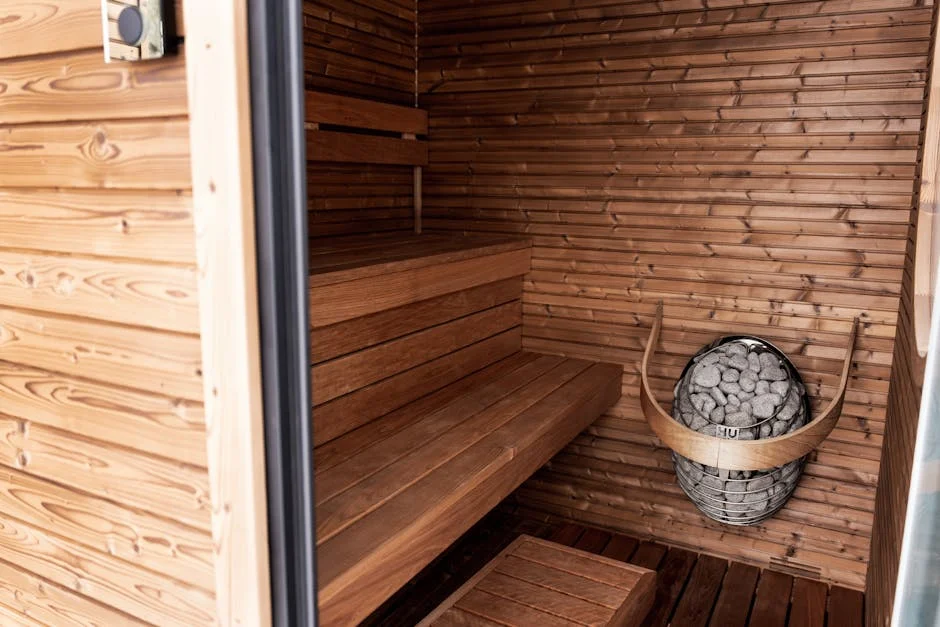
Choosing Between a Stove-Only and a Complete Tent System
The first decision for a portable wood-fired sauna buyer is whether to purchase a stove alone or a complete tent-and-stove system. A stove-only purchase makes sense if you already own a hot tent with proper chimney penetration hardware, or if you want to pair a high-output sauna stove with a tent specifically chosen for superior insulation. The complete system, tent and stove together, is the lower-friction path for first-time buyers, since compatibility between the stove’s chimney diameter and the tent’s thimble is guaranteed by the manufacturer.
The integration argument for complete systems is strongest for buyers who want a working sauna quickly, without sourcing multiple components. The customization argument for stove-only purchases is strongest for buyers with specific size, fabric, or setup requirements not met by available complete systems.
Sizing the Stove to the Tent Volume
Output matching is not optional. A stove that can heat a two-person tent to 80°C in 30 minutes may take 75 minutes to heat a six-person tent to the same temperature, or may never reach it in cold ambient conditions. Before purchasing any stove for an existing tent, calculate the tent’s cubic footage and compare it against the stove’s rated heating capacity, which reputable manufacturers specify.
The practical rule from owner experience: size up rather than down. A stove at the upper end of its rated range for your tent volume provides headroom for cold weather performance. A stove at the lower end of its rated range for your tent volume will strain to reach temperature on cold days. This is one of the higher-stakes purchase decisions in the portable sauna category and worth getting right on the first purchase.
Permanent Placement vs. True Portability
Not all “portable” sauna systems are equally mobile in practice. A 15-kilogram stove with multiple chimney pipe sections and a large tent requires meaningful effort to transport and set up. True portability, a system you move regularly between a campsite, a backyard, and a friend’s property, demands lighter components and faster setup than occasional relocation from storage to a fixed backyard location.
Buyers who move their sauna frequently should weight pop-up tent design and stove pack weight heavily. Buyers who set up in one location for a season and then store the system have more flexibility on those factors and can prioritize thermal performance instead. The wood-fired sauna options at the permanent and semi-permanent end of the spectrum are worth reviewing if your situation evolves past the portable category.
Fuel Management and Wood Species
Wood-fired portable saunas require a consistent fuel supply, and wood species affects both performance and maintenance. Dense hardwoods, birch, oak, ash, burn longer, produce more consistent heat, and generate less creosote than softwoods like pine or fir. For a portable setup with a short chimney run, creosote accumulation is a more immediate concern than in a fixed sauna with a full-length flue, since the chimney has less thermal draft to carry combustion byproducts away cleanly.
Buyers in regions where hardwood is scarce or expensive may face a fuel cost trade-off that affects total session cost. Kiln-dried wood burns cleaner and more predictably than green or partially seasoned wood in any species. Storing dry wood for your portable setup is as important a logistical consideration as the hardware itself.
Monitoring and Control
Wood-fired sauna heat management has traditionally been a tactile skill, experienced users judge temperature by feel, steam response, and years of practice. Buyers new to wood-fired sauna can shorten that learning curve with monitoring tools. A thermometer-hygrometer mounted at bench height gives objective temperature and humidity readings without opening the door. The Harvia Smart Sensor adds app-based visibility and usage logging for buyers who want a more instrumented approach.
Neither is strictly necessary. Both are genuinely useful for buyers who want to replicate consistent session conditions rather than learn by trial and error across multiple sessions.
Frequently Asked Questions
How long does it take a portable wood-fired sauna to reach temperature?
Most purpose-built portable wood-fired sauna stoves paired with a properly insulated tent reach 80°C (176°F) in 30 to 45 minutes under moderate outdoor conditions, say, 5°C to 15°C ambient temperature. Colder conditions extend heat-up time meaningfully. Stove output relative to tent volume is the primary variable: a high-output stove like the SweatTent unit in a small tent will outpace a lower-output stove in the same space. Pre-heating with the door partially open for the first few minutes accelerates the process.
Do portable wood-fired saunas require any electricity?
Wood-fired sauna operation requires no electricity, the heat source is entirely combustion-based. The only exception is if you add monitoring hardware: the Harvia Smart Sensor requires a connection to the MyHarvia app via a smartphone or tablet, but the sauna itself runs without any electrical infrastructure. This makes wood-fired portable saunas the practical choice for remote locations, off-grid properties, or any site without convenient electrical access near the sauna.
What’s the difference between a purpose-built sauna stove and a camping stove used in a tent?
Purpose-built sauna stoves like the WillowyBe or SweatTent units are designed specifically for the thermal demands and safety requirements of enclosed sauna use, they include rock baskets for löyly, are rated for sustained high-temperature operation, and specify safety clearances for tent environments. A general camping stove like the Guide Gear unit functions in a sauna tent but was not engineered for that use, which means rock basket capability and sauna-specific output ratings may be absent. The distinction matters most for buyers who want an authentic, steam-capable sauna experience.
How much wood does a session typically consume?
Wood consumption depends on stove efficiency, tent insulation, ambient temperature, and session length. Owner reports for portable sauna stoves in the premium tier suggest a typical 90-minute session consumes roughly two to four kilograms of dry hardwood, less in warm weather with a well-insulated tent, more in cold conditions or with a larger tent volume. This is a meaningful logistical variable for buyers who use the sauna regularly. Sourcing and storing kiln-dried hardwood locally before the season is the practical approach.
Can I use a portable wood-fired sauna year-round in cold climates?
Year-round use in cold climates is achievable but requires attention to a few variables. Three-layer insulated tent fabric, like the construction in the Albott system, performs significantly better in winter conditions than single or double-layer designs. Stove output must be sufficient to overcome ambient heat loss at the lowest temperatures you expect to use it, which means sizing up from the minimum rated capacity. Ground insulation under the floor matters more in winter than summer.

Where to Buy
WillowyBe Outdoor Sauna Hot Tent Stove, Rocket Stove Heater, Portable Camping Wood Stove for Dry Sauna, Cooking for Husband and FriendsSee WillowyBe Outdoor Sauna Hot Tent Stov… on Amazon