Redwood Outdoor Sauna Buyer's Guide: Types and Options

Affiliate disclosure: Some links on this page are affiliate links. If you buy through them we earn a small commission at no extra cost to you. Recommendations are research-driven; we don't claim personal use of every product reviewed. Product prices and availability are accurate as of the date published and are subject to change. Always check Amazon for current pricing before purchasing. Learn more.
Quick Picks
Red Cedar Outdoor Infrared Sauna 1 Person, Ultra Low EMF Far Infrared Sauna, 1560W, Withstand Outdoor Temp -10℉-149℉, Home Spa with Bluetooth Speaker, Chromotherapy Lights, Reading Lights
Quality construction suited to regular home sauna use
Buy on AmazonLTCCDSS Low EMF Outdoor Far Infrared Sauna 2-Person, Hemlock Wood Sauna for Home, Withstand Outdoor Temp -5℉-104℉, Bluetooth Speakers, LED Reading Lamps, Chromotherapy Light
Quality construction suited to regular home sauna use
Buy on AmazonOutdoor Wooden Panoramic Barrel Sauna, 4-6 Person Sauna Room 220V, 6kw Toule Electric Heater, Accessories and Asphalt Shingle Roof (Red Ceder)
Quality construction suited to regular home sauna use
Buy on Amazon| Product | Price Range | Top Strength | Key Weakness | Buy |
|---|---|---|---|---|
| Red Cedar Outdoor Infrared Sauna 1 Person, Ultra Low EMF Far Infrared Sauna, 1560W, Withstand Outdoor Temp -10℉-149℉, Home Spa with Bluetooth Speaker, Chromotherapy Lights, Reading Lights best overall | $$ | Quality construction suited to regular home sauna use | Confirm specifications match your specific installation space and electrical requirements | Buy on Amazon |
| LTCCDSS Low EMF Outdoor Far Infrared Sauna 2-Person, Hemlock Wood Sauna for Home, Withstand Outdoor Temp -5℉-104℉, Bluetooth Speakers, LED Reading Lamps, Chromotherapy Light also consider | $$ | Quality construction suited to regular home sauna use | Confirm specifications match your specific installation space and electrical requirements | Buy on Amazon |
| Outdoor Wooden Panoramic Barrel Sauna, 4-6 Person Sauna Room 220V, 6kw Toule Electric Heater, Accessories and Asphalt Shingle Roof (Red Ceder) also consider | $$ | Quality construction suited to regular home sauna use | Confirm specifications match your specific installation space and electrical requirements | Buy on Amazon |
| ZONEMEL Outdoor Barrel Steam Sauna for 6 Person with Porch, Canadian Red Cedar Wood, Wood-Fired Stove with Chimney Kit, 8mm Tempered Glass, Sauna Stone, Water Bucket, Ladle, Lights, 195°F also consider | $$ | Quality construction suited to regular home sauna use | Confirm specifications match your specific installation space and electrical requirements | Buy on Amazon |
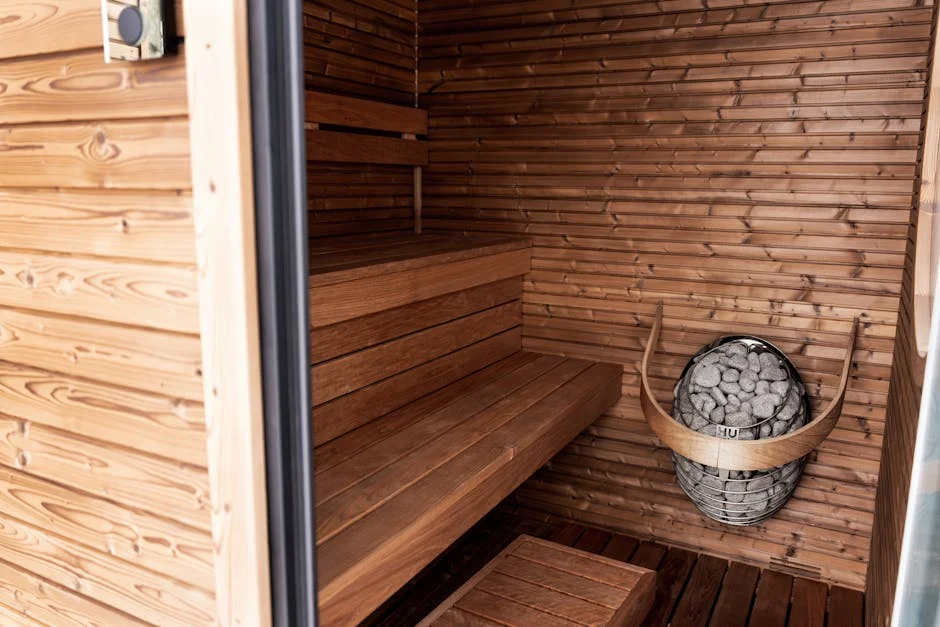
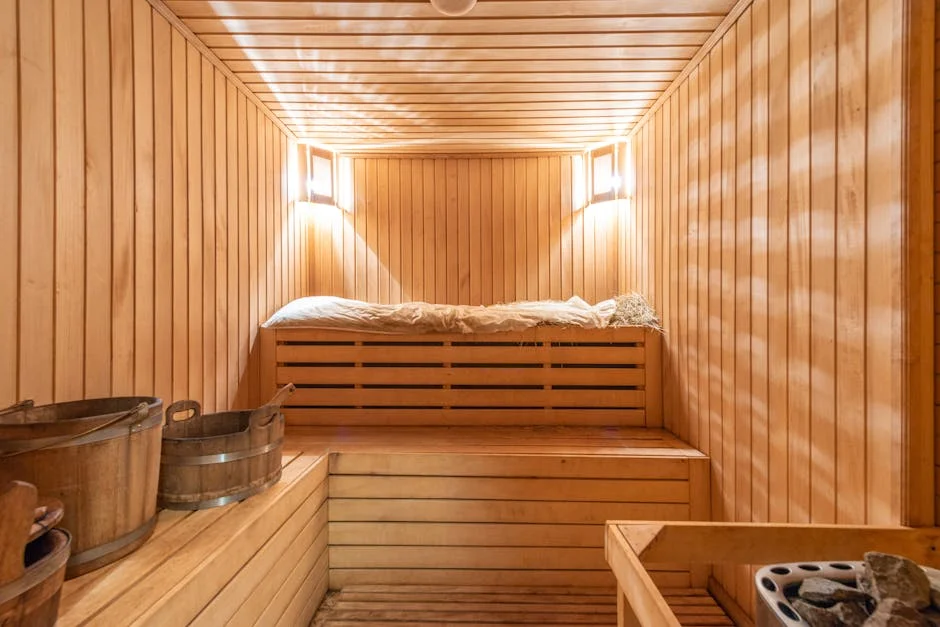
Outdoor saunas built from weather-resistant wood, red cedar, hemlock, and similar species, have become a practical choice for homeowners who want a dedicated heat retreat without sacrificing backyard space or structural permanence. The category has expanded well beyond traditional barrel shapes; today’s buyers can choose between infrared cabinet saunas and wood-fired barrel designs, each suited to different habits, household sizes, and installation contexts. The full range of options available through Redwood Outdoors illustrates how much the category has matured in recent years.
Choosing well means understanding the trade-offs before the purchase, not after delivery. Wood species, heater type, capacity, and cold-weather rating all affect whether a sauna performs as expected over years of use, or becomes a backyard liability.
What to Look For in an Outdoor Sauna
Wood Species and Weather Resistance
The wood an outdoor sauna is built from determines how well it handles moisture, UV exposure, and temperature swings. Red cedar is the benchmark: its natural oils resist rot and repel insects without chemical treatment, and it handles the heat-moisture cycle of repeated sauna use without warping at the rate softer woods do. Western red cedar’s aromatic quality also contributes to the sauna environment in a way that hemlock and spruce do not replicate.
Hemlock is a common and practical alternative. It holds up well in outdoor settings, accepts heat evenly, and is typically available at a lower cost than cedar. The trade-off is longevity in persistently wet climates, hemlock requires more attentive maintenance over time. For buyers in the Pacific Northwest or other high-rainfall regions, cedar’s self-protecting oils matter more than in drier climates.
Regardless of species, look for kiln-dried lumber and tight joinery. Outdoor sauna panels that arrive with high moisture content will shrink and gap after installation, creating drafts and reducing heat retention. Manufacturer specifications should confirm drying standards; owner reviews on this point are worth reading carefully.
Heater Type: Infrared vs. Traditional Electric vs. Wood-Fired
Infrared saunas heat the occupant directly through radiant panels rather than heating the air to Finnish sauna temperatures. This means lower ambient temperatures, typically 120-140°F versus 170-195°F for traditional saunas, with faster heat-up times and lower operating wattage. Infrared suits buyers who prioritize convenience and lower electrical draw. The sauna is ready in 15-20 minutes and draws less current than a traditional electric heater.
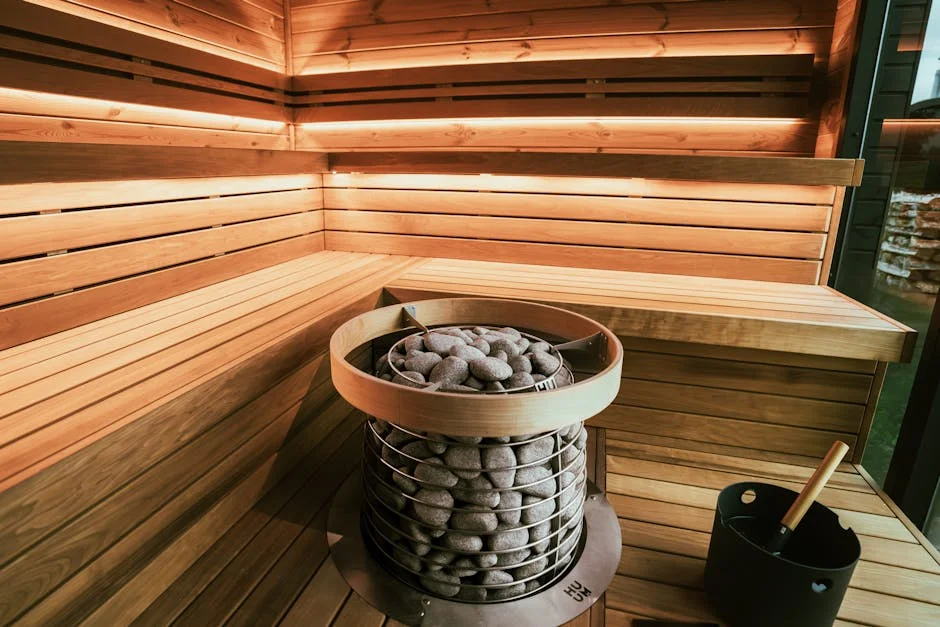
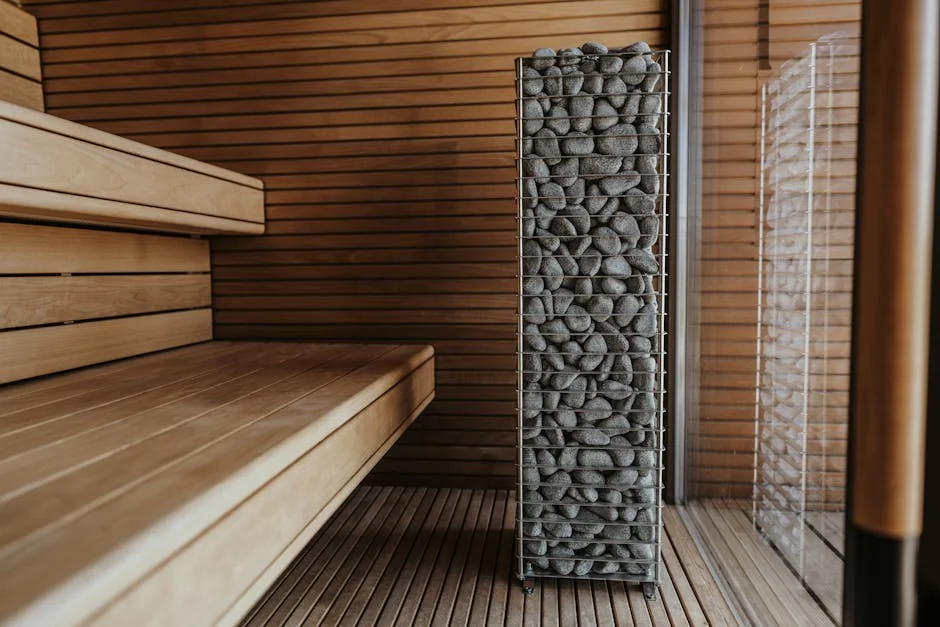
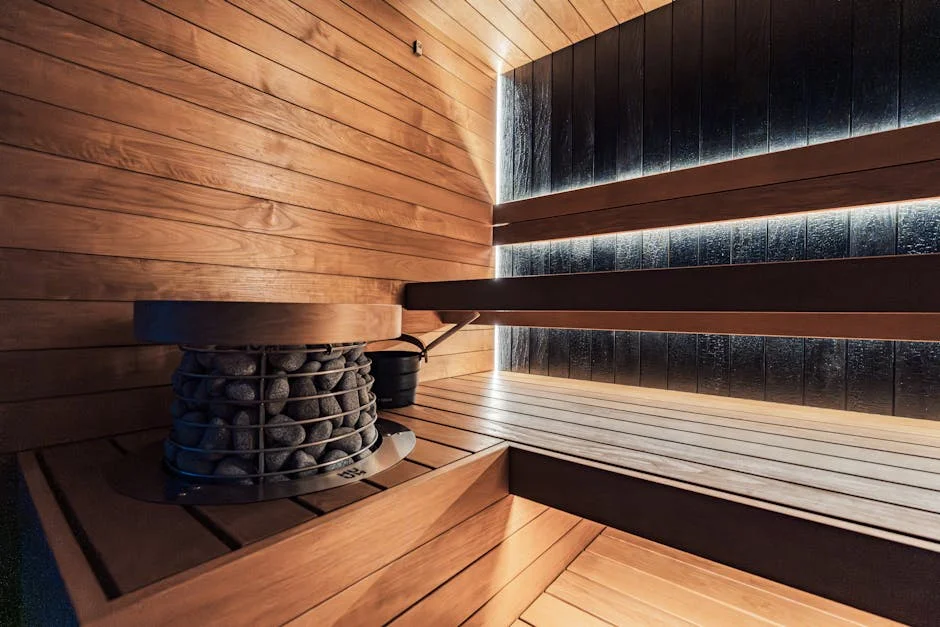
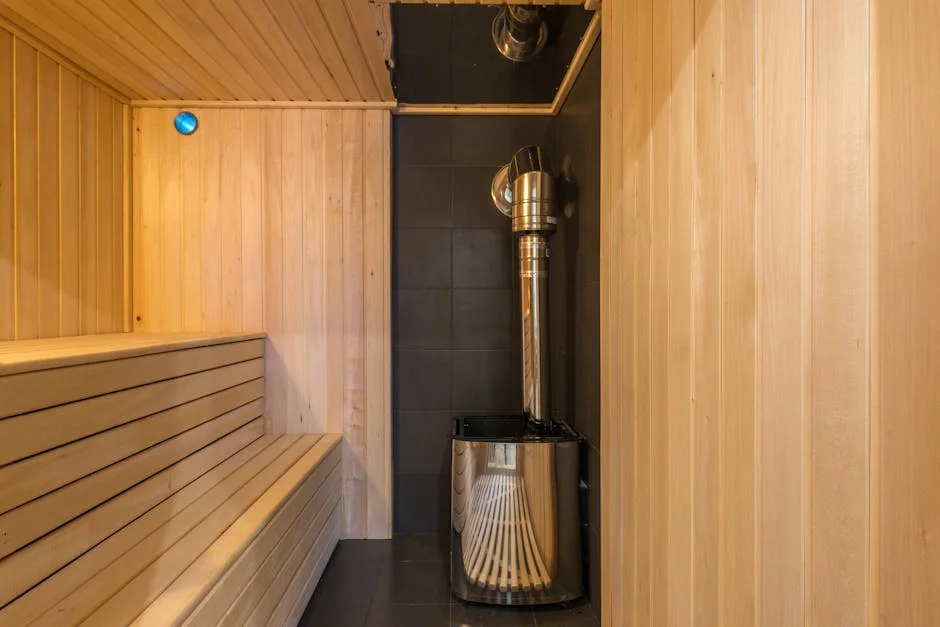
Traditional electric heaters, the kind used in barrel saunas with a stove and sauna stones, produce the high-temperature, high-humidity environment that Finnish sauna tradition describes as the genuine article. The option to pour water over stones (löyly) changes the sensory character of the session in a way infrared does not replicate. Wood-fired heaters remove the electrical dependency entirely, which matters for installations without convenient 240V access.
Neither type is universally superior. The decision depends on how you use a sauna: frequent short sessions favor infrared’s convenience; longer social sessions and authentic steam ritual favor traditional electric or wood-fired options.
Capacity and Interior Layout
A one-person infrared cabinet and a six-person barrel sauna are both “outdoor saunas,” but they serve fundamentally different use cases. Solo saunas suit the buyer who uses the sauna for personal recovery or relaxation on a predictable individual schedule. Four-to-six person capacity suits families or households where the sauna is a shared social space, and where individual sessions at different times are inconvenient.
Interior layout matters beyond raw capacity numbers. Bench depth, ceiling height, and the position of heater or infrared panels all affect comfort. A deep bench (typically 18-20 inches minimum) allows full reclining; cramped benches limit the session to sitting upright. For infrared saunas specifically, panel placement relative to seating positions determines how evenly the heat reaches the occupant.
Cold-Weather Performance Rating
Outdoor saunas designed for year-round use in cold climates need to specify their minimum operating temperature. A sauna rated to -10°F handles Minnesota or Montana winters without structural damage or heater strain. Saunas with a minimum rating of -5°F or 32°F are not appropriate for northern climates and may void manufacturer warranties if used outside their rated range.
Insulation quality and door seal integrity both contribute to cold-weather performance. Double-wall construction holds heat more efficiently than single-wall panels, reducing the time and energy required to reach operating temperature in cold ambient conditions. Before purchasing, confirm the cold-weather rating explicitly, marketing photography showing snow-covered exteriors is not a substitute for a published temperature specification.
Assembly and Delivery Logistics
Outdoor saunas arrive as panel kits, and assembly complexity varies significantly. Some infrared cabinet saunas are designed for two-person assembly in a few hours; barrel saunas with separate stave construction and roofing components can require a full day and more than two people. Review assembly instructions before purchase if possible, manufacturer assembly videos are a useful screening tool.
Delivery logistics matter for large sauna kits. Freight shipment to a residential address often requires someone on-site to receive and inspect the shipment, and some carriers require curbside unloading. Confirm what the shipping terms actually include: threshold delivery versus curbside delivery versus assisted placement are meaningfully different. Exploring the full range of outdoor sauna styles and brands before committing to a specific design is worth the time, particularly if your installation site has access constraints.
Top Picks
Red Cedar Outdoor Infrared Sauna 1 Person
The Red Cedar Outdoor Infrared Sauna 1 Person is the right choice for the solo buyer who wants a permanent outdoor installation with minimal electrical complexity. At 1560W, it draws significantly less current than a traditional sauna heater, a practical advantage for homeowners without a dedicated 240V circuit already run to the installation area. The construction uses red cedar, which handles outdoor temperature swings and moisture cycling better than hemlock alternatives at this capacity tier.
The cold-weather rating to -10°F is a genuine differentiator for buyers in northern climates. Many infrared cabinet saunas in this category are rated only to 32°F or slightly below, making them unsuitable for year-round outdoor use in most of the northern United States. This model’s rating confirms it can remain installed through a harsh winter without requiring seasonal disassembly or a heated enclosure.
Bluetooth speakers and chromotherapy lighting are standard at this tier and add convenience without meaningfully changing the evaluation. The stronger case for this model is its construction and operating temperature range, the amenities are secondary. Owner reviews consistently point to straightforward assembly and solid panel fit, which matters for a solo buyer without professional installation resources.
Check current price on Amazon.
LTCCDSS Low EMF Outdoor Far Infrared Sauna 2-Person
The two-person format of the LTCCDSS Low EMF Outdoor Far Infrared Sauna opens the infrared category to couples or households where two people will use the sauna together regularly. Hemlock construction is honest and practical at this capacity, it performs well in outdoor settings with proper maintenance, and the cost savings relative to cedar can be meaningful for buyers comparing options at this tier.
The cold-weather floor of -5°F is narrower than the Red Cedar model’s -10°F rating. For buyers in USDA hardiness zones 6 and warmer, this distinction rarely matters in practice. For buyers in Minnesota, Wisconsin, or the northern plains where extended -10°F to -20°F cold snaps occur regularly, the gap between these two ratings is worth weighing carefully before committing.
Low EMF panel construction is a documented feature, and the specification reflects a growing buyer preference in the infrared category. Manufacturer data on EMF output is the appropriate reference, owner reviews on this topic tend to be less consistent than published specifications. The LED reading lamps and Bluetooth speakers function as quality-of-life additions; the core evaluation rests on construction quality, panel coverage, and the hemlock build’s durability relative to your local climate.
Check current price on Amazon.
Outdoor Wooden Panoramic Barrel Sauna 4, 6 Person
The panoramic glass end of the Outdoor Wooden Panoramic Barrel Sauna changes the character of the outdoor sauna experience in a way that standard barrel designs do not. Full glass panels on the end wall turn the sauna interior toward a view, a yard, a treeline, a mountain backdrop, and the heat environment becomes specifically tied to place in a way that a windowless cedar box cannot replicate.
The 6kW Toule electric heater is sized appropriately for four-to-six person capacity at traditional sauna temperatures. At 220V, this installation requires a dedicated circuit, confirming your electrical panel can support the draw before purchase is a pre-purchase requirement, not an afterthought. The included asphalt shingle roof addresses one of the practical vulnerabilities of barrel sauna construction: exposed end-grain wood at the top of a barrel is a moisture entry point, and a proper roof dramatically extends the structure’s lifespan.
Red cedar construction at this capacity and price tier is a meaningful specification. Larger structures expose more surface area to weather, and the natural rot resistance of cedar compounds in value as the structure ages. Verified buyers note that assembly at this scale is a multi-person, multi-hour project, plan accordingly, and review the assembly documentation before the freight shipment arrives.
Check current price on Amazon.
ZONEMEL Outdoor Barrel Steam Sauna for 6 Person
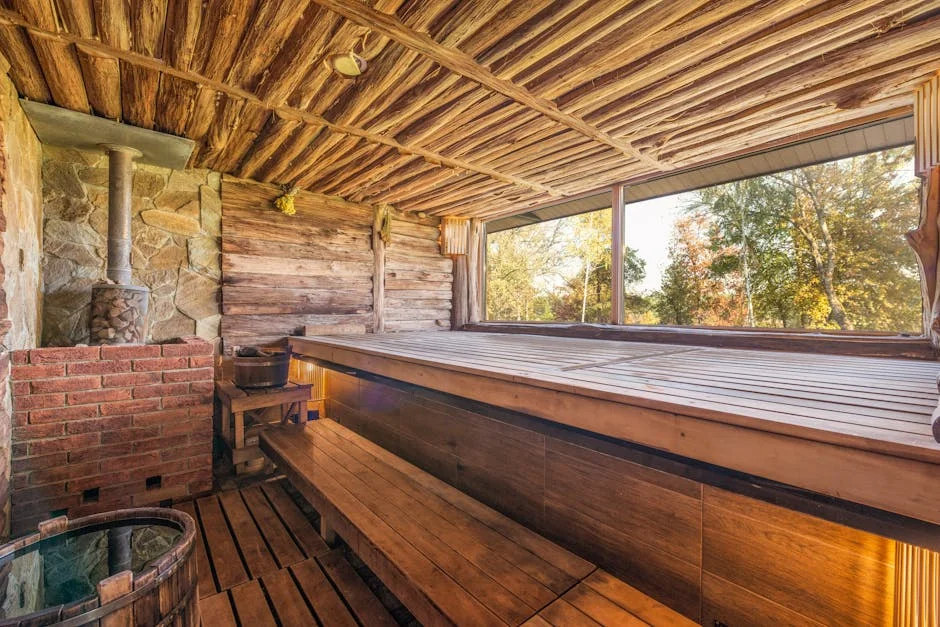
The ZONEMEL Outdoor Barrel Steam Sauna is the wood-fired option in this comparison, and that distinction separates it categorically from the three electric alternatives above. A wood-fired stove with a chimney kit removes the electrical dependency entirely, this sauna can be installed anywhere with adequate clearance and ventilation, independent of proximity to a panel or available circuits. For buyers with a rural property, a remote cabin site, or a backyard without convenient 240V access, that independence has real practical value.
Canadian red cedar construction and 8mm tempered glass panels signal a build specification oriented toward durability. The six-person porch configuration extends the usable space, the transition between the heated interior and outdoor air is a meaningful part of the Finnish sauna ritual, and a covered porch supports that pattern. The included sauna stones, water bucket, and ladle indicate the unit is equipped for proper löyly from the start, without requiring additional accessory purchases.
The trade-off relative to electric options is time and attention. A wood-fired stove requires approximately 45-60 minutes to reach operating temperature and active management of the fire during the session. Owner consensus among wood-fired sauna users is that this process is part of the ritual value, the preparation is not incidental to the experience but integral to it. Buyers seeking push-button convenience should choose one of the infrared or electric options. Buyers who want the full traditional sauna experience without electrical infrastructure will find the case for this model is strong.
Check current price on Amazon.
Buying Guide
Infrared vs. Traditional: Matching Heater Type to Your Habits
The infrared versus traditional electric versus wood-fired decision is the most consequential choice in this category, and it should be resolved before comparing specific models. Infrared saunas heat up in 15-20 minutes and run on standard or light 240V circuits. Traditional electric saunas require 30-45 minutes and a heavier electrical draw but produce the high-heat, high-humidity environment that most sauna traditions describe as the genuine experience. Wood-fired units need no electrical infrastructure but require active fire management.
Buyers who plan to use a sauna three to five times per week for 20-30 minute solo sessions will find infrared’s convenience profile favorable. Buyers who sauna on weekends with family or guests, value steam ritual, or have limited electrical infrastructure favor traditional or wood-fired options. Neither category is superior, the right answer is specific to your use pattern.
Sizing for Actual Use
Capacity ratings describe the maximum number of occupants, not the typical use case. A four-to-six person barrel sauna in a two-person household is not oversized, the additional bench space allows full recline, and most buyers who size up report satisfaction with that decision. The regret pattern in owner reviews runs the other direction: buyers who chose a one-person or two-person unit and found it too small for their actual use.
The more limiting factor is often footprint. Measure your installation site carefully, including clearance requirements on all sides, before comparing models. A six-person barrel sauna is a substantial structure, typically 7, 8 feet in diameter and 8, 10 feet in length, that requires thoughtful placement relative to property lines, existing structures, and drainage.
Electrical Planning Before Purchase
The 1560W infrared unit draws approximately 6.5 amps at 240V, a relatively light load. The 6kW electric heater in the panoramic barrel sauna draws approximately 25 amps. These are not the same installation requirement. Consult a licensed electrician before purchasing any model with a 240V requirement if you do not already have an appropriately sized circuit at or near your planned installation site.
The ZONEMEL wood-fired model is the exception: no electrical circuit is required for the stove itself, though buyers who want interior lighting will want a low-voltage solution. Buyers on properties without convenient panel access should weigh this distinction carefully. The range of Redwood Outdoors sauna configurations, from electric to wood-fired, reflects how differently buyers’ electrical situations vary.
Cold-Weather Rating and Year-Round Use
An outdoor sauna is a significant investment, and most buyers intend to use it year-round. Confirm the cold-weather operating temperature rating before purchasing, not after. A sauna rated to -5°F will reach the boundary of its specification on a -10°F night in the Upper Midwest or northern New England. Operating outside a unit’s rated range risks damage to heater components, control panels, and wood joints.
Double-wall construction and tight door seals extend cold-weather performance. Single-wall panel construction loses heat faster in cold ambient temperatures, increasing heat-up time and energy consumption. If your climate regularly reaches temperatures below 0°F, prioritize units with explicit cold-weather engineering documentation over units that simply show outdoor photography in snow.
Site Preparation and Long-Term Maintenance
Outdoor saunas require a level, stable foundation, concrete pads, gravel compacted to grade, or purpose-built sauna platforms are all used. A barrel sauna placed directly on soil will settle unevenly over time, stressing the panel joints and creating gaps. The foundation is not an accessory; it is a prerequisite, and its cost should be factored into the total project budget.
Long-term wood maintenance for outdoor saunas means annual inspection of exterior surfaces and periodic application of an appropriate wood sealant or oil on exterior faces. Interior surfaces should not be sealed or painted, the wood needs to breathe and absorb moisture during sessions. Cedar requires less maintenance than hemlock but is not maintenance-free. Inspect roof seals, door gaskets, and any metal hardware annually for signs of corrosion or wear.
Frequently Asked Questions
What is the difference between an infrared outdoor sauna and a traditional barrel sauna?
Infrared saunas use radiant panels to heat the body directly at lower ambient temperatures, typically 120-140°F, with faster warm-up times and lower electrical draw. Traditional barrel saunas use an electric or wood-fired heater to bring air temperature to 170-195°F, with the option to pour water over stones for steam. The experience is meaningfully different: infrared suits convenience-driven solo use, while traditional saunas produce the high-heat steam environment central to Finnish sauna culture.
Can these outdoor saunas stay installed through a northern winter?
It depends on the unit’s cold-weather rating. The Red Cedar 1-Person infrared model is rated to -10°F, making it appropriate for most northern U.S. climates. The LTCCDSS 2-person model is rated to -5°F, which covers most winter conditions but may reach its limit during severe cold snaps in Minnesota, Wisconsin, or similar climates. Always confirm the published minimum operating temperature before purchasing for year-round outdoor installation.
Is the ZONEMEL wood-fired barrel sauna a good choice if I already have a 240V circuit available?
The electrical infrastructure question does not determine whether wood-fired is the right choice, your preference for the sauna experience does. A wood-fired stove requires 45-60 minutes to reach temperature and active fire management throughout the session. Buyers who value that preparation ritual and want independence from electrical systems will find the ZONEMEL’s case is strong. Buyers who prioritize convenience and a consistent push-button heat experience should choose the electric panoramic barrel or one of the infrared models instead.
How many people actually fit comfortably in a “4, 6 person” barrel sauna?
Capacity ratings describe maximum occupancy in an upright seated position. Four people can sit comfortably in most 4, 6 person barrels; six is crowded. Two to three people using the space for relaxed, reclined sessions will find a 4, 6 person barrel appropriately sized. Buyers purchasing for solo or couple use often choose the larger capacity specifically to allow full bench recline, a one-person or two-person unit forces upright-only seating, which limits session comfort over time.
Do these outdoor saunas require a building permit?
Permit requirements vary by municipality and depend on the structure’s size, foundation type, and whether it is connected to electrical service. Permanently installed structures with a dedicated 240V circuit typically require both an electrical permit and, in some jurisdictions, a building permit. Freestanding saunas on non-permanent foundations may qualify as accessory structures with different or reduced permit requirements. Contact your local building department before installation, requirements differ significantly between cities, counties, and states.
Where to Buy
Red Cedar Outdoor Infrared Sauna 1 Person, Ultra Low EMF Far Infrared Sauna, 1560W, Withstand Outdoor Temp -10℉-149℉, Home Spa with Bluetooth Speaker, Chromotherapy Lights, Reading LightsSee Red Cedar Outdoor Infrared Sauna 1 Pe… on Amazon