Sauna Wood Burning Stove Buyer's Guide: Types & Selection

Affiliate disclosure: Some links on this page are affiliate links. If you buy through them we earn a small commission at no extra cost to you. Recommendations are research-driven; we don't claim personal use of every product reviewed. Product prices and availability are accurate as of the date published and are subject to change. Always check Amazon for current pricing before purchasing. Learn more.
Quick Picks
Harvia Legend Wood Burning Sauna Stove, Traditional Wood Burning Stove for Indoor Heating, Premium Cast Iron Sauna Heater with Large Stone Capacity, Includes Sauna Rocks, Powerful 16kW Capacity
Quality construction suited to regular home sauna use
Buy on AmazonHarvia Pro 20 Wood Burning Sauna Heater, Quick Heating Stainless Steel Wood Burning Sauna Stove with Adjustable Feet, Includes Sauna Rocks, Premium Sauna Heater for Medium Sized Rooms, 24kW
Quality construction suited to regular home sauna use
Buy on AmazonStove Door Glass for Harvia Wood-Burning Sauna Stoves | Heat-Resistant & Clear Viewing Panel | Fits M3, 20, 26, 36 Models
Quality construction suited to regular home sauna use
Buy on Amazon| Product | Price Range | Top Strength | Key Weakness | Buy |
|---|---|---|---|---|
| Harvia Legend Wood Burning Sauna Stove, Traditional Wood Burning Stove for Indoor Heating, Premium Cast Iron Sauna Heater with Large Stone Capacity, Includes Sauna Rocks, Powerful 16kW Capacity best overall | $$$ | Quality construction suited to regular home sauna use | Confirm specifications match your specific installation space and electrical requirements | Buy on Amazon |
| Harvia Pro 20 Wood Burning Sauna Heater, Quick Heating Stainless Steel Wood Burning Sauna Stove with Adjustable Feet, Includes Sauna Rocks, Premium Sauna Heater for Medium Sized Rooms, 24kW also consider | $$$ | Quality construction suited to regular home sauna use | Confirm specifications match your specific installation space and electrical requirements | Buy on Amazon |
| Stove Door Glass for Harvia Wood-Burning Sauna Stoves | Heat-Resistant & Clear Viewing Panel | Fits M3, 20, 26, 36 Models also consider | $$$ | Quality construction suited to regular home sauna use | Confirm specifications match your specific installation space and electrical requirements | Buy on Amazon |
| Upgraded Wood Burning Sauna Hot Tent Stove, 2 in 1 Tent Wood Burning Stove with Chimney Pipe for Outdoor Camping Heating, Camping, Hunting, Heating, Cooking, Ice Fishing, Boiling Water also consider | $$$ | Quality construction suited to regular home sauna use | Confirm specifications match your specific installation space and electrical requirements | Buy on Amazon |
| SweatTent High-Output Wood Burning Sauna Stove Kit – Includes Rock Basket, Heat-Resistant Gloves & Fire Poker – Portable Stainless Steel Heater for Outdoor Tents – Fast Heating & Professional-Grade also consider | $$$ | Quality construction suited to regular home sauna use | Confirm specifications match your specific installation space and electrical requirements | Buy on Amazon |
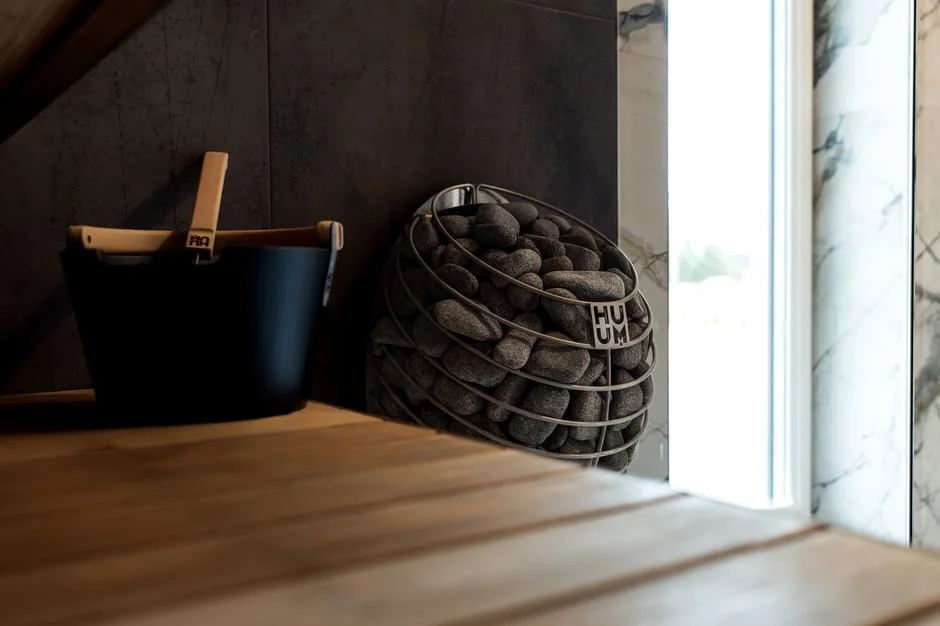
Choosing a sauna wood burning stove means choosing something more fundamental than a heat source, it means choosing a ritual. Wood-fired heat has a different character than electric: slower to build, more satisfying to tend, and entirely off-grid once the chimney is in. The wood-fired sauna tradition runs deep in Finnish culture, and the stoves that carry it have evolved into a genuinely varied category worth understanding before you buy.
The range here spans permanent indoor installations to portable tent setups, so the right stove depends heavily on where and how you plan to use it. Stone capacity, output rating, and clearance requirements all shift dramatically between a cabin-mounted cast iron unit and a packable stainless steel camp stove. The sections below break down what to evaluate and which stoves earn their place.
What to Look For in a Wood Burning Sauna Stove
Output Rating and Room Volume
The most critical specification on any sauna wood burning stove is its kilowatt rating, but that number only means something relative to your room’s cubic footage. A 16kW stove in a 200-cubic-foot sauna will overheat the space quickly. That same stove in a 600-cubic-foot room will struggle to reach temperature efficiently. Manufacturers publish recommended room volume ranges for a reason; treating those figures as approximate is a common source of buyer frustration.
Insulation quality multiplies or divides effective output. A well-insulated cedar sauna with a properly fitted door will reach temperature faster and hold it longer than an under-insulated structure running the same stove. Before settling on an output rating, assess your room’s construction, walls, ceiling material, door seals, not just its dimensions.
Stone Capacity and Löyly Performance
Sauna stones serve as a thermal mass and steam delivery system. When you ladle water onto hot stones, the Finnish practice of löyly, the stones release a burst of humid, penetrating heat that defines the traditional sauna experience. A stove with insufficient stone capacity produces thin, short-lived steam. A well-loaded stone basket holds temperature through multiple rounds of water without noticeably dropping.
Stone type matters alongside quantity. Olivine diabase, the standard recommendation in Finnish sauna culture, absorbs heat evenly and resists cracking under repeated water contact. Stones included with stoves are often functional but variable in quality; the r/Sauna community frequently recommends upgrading to purpose-sourced olivine stones for regular-use installations.
Firebox Design and Wood Consumption
The firebox is where efficiency is won or lost. A properly designed firebox promotes complete combustion, clean burn, less creosote, more heat output per log. Front-loading doors with glass panels let you monitor the fire without opening the box and losing heat. Side-loading or top-loading designs appear on portable stoves where footprint takes priority over efficiency.
Wood consumption rate is a practical variable that doesn’t appear in spec sheets. Owner reports across r/Sauna and verified buyer reviews consistently show that stoves with larger fireboxes and secondary air systems burn longer on the same volume of wood. For regular home sauna users, this translates directly to seasoned hardwood costs and the time you spend reloading mid-session.
Safety Clearances and Installation Requirements
Every wood-burning stove requires specific clearances from combustible surfaces, walls, benches, and ceiling. These minimums exist in manufacturer documentation and are typically reinforced by local building codes. Ignoring them is both a fire risk and a code violation that can affect homeowner’s insurance.
Permanent installations in dedicated sauna rooms require attention to chimney routing, hearth protection, and ash management. Portable tent stoves present different considerations: spark arrestors on chimney pipes, ground protection beneath the firebox, and adequate tent ventilation to prevent carbon monoxide accumulation. The wood-fired sauna setup that serves you safely for decades is one built to clearance specifications from the start, not retrofitted later.
Portability vs. Permanent Installation
The choice between a portable stove and a permanent installation is not purely logistical, it shapes the entire sauna experience. Permanent cast iron units retain heat longer, support higher stone loads, and typically deliver the dense, long-lasting löyly that Finnish sauna tradition prizes. Portable stainless steel stoves heat faster, weigh less, and travel with you, qualities that matter for overlanding, hunting camps, and sauna-tent setups.
Weight and packed dimensions are the operative specs for portable stoves. Chimney pipe sections, spark arrestors, and rock baskets all add to what you’re carrying. Buyers who underestimate pack weight relative to a camp stove’s output often find themselves with a unit that’s impractical to use regularly.
Top Picks
Harvia Legend Wood Burning Sauna Stove
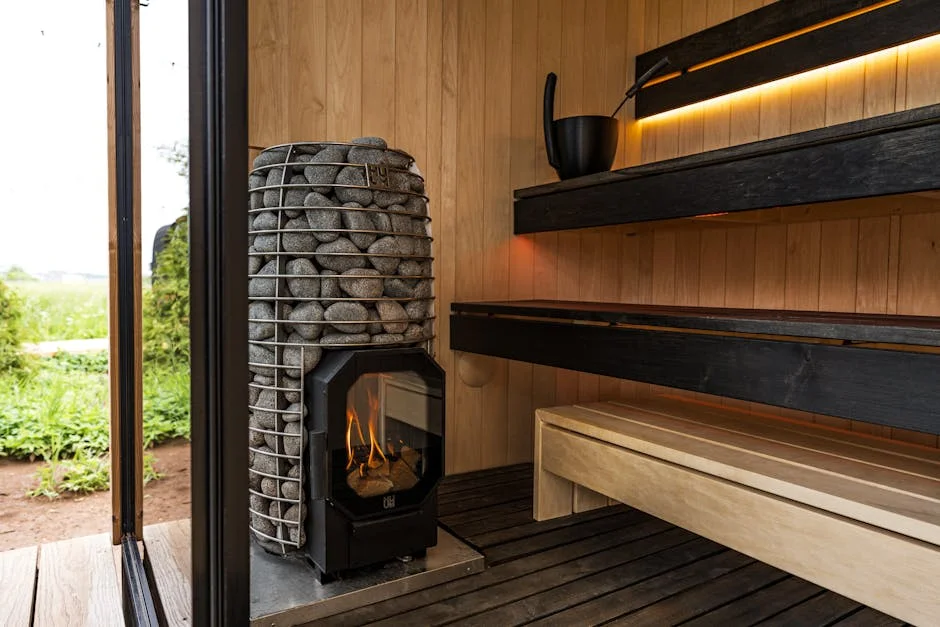
The Harvia Legend Wood Burning Sauna Stove is the reference point for permanent home sauna installations in North America. Harvia’s manufacturing quality is well-documented across the sauna community, the cast iron construction holds and distributes heat in a way that stainless steel units simply don’t replicate. Verified buyers consistently note that the stove reaches bathing temperature reliably and holds it through extended sessions without requiring constant fire management.
The 16kW output and large stone basket capacity make this a strong match for medium to large home saunas. Stone capacity is one of the Legend’s genuine advantages, a well-loaded basket delivers sustained, generous löyly that rewards the slower, more deliberate ritual of wood-fired bathing. Harvia includes a sauna rock set, though many owners who use this stove regularly eventually upgrade to olivine diabase for optimal performance.
One practical note: installation requires attention to clearance specifications, and the stove’s cast iron weight means your hearth and floor support should be assessed before mounting. According to Harvia’s installation documentation, the Legend requires standard chimney routing with appropriate spark protection. For buyers building or upgrading a dedicated home sauna room, the case for this stove is strong.
Check current price on Amazon.
Harvia Pro 20 Wood Burning Sauna Heater
The Harvia Pro 20 Wood Burning Sauna Heater steps up the output rating to 24kW, making it the right tool for larger sauna rooms where the Legend’s 16kW would work harder than necessary. The stainless steel body heats up faster than cast iron, a meaningful advantage when session timing matters, and the adjustable feet simplify leveling on uneven floors during installation.
Owner reports consistently highlight the Pro 20’s heating speed relative to its room volume recommendations. Verified buyers in larger cabin saunas note that the stove reaches bathing temperature in a competitive time window while still delivering a full stone load for löyly. The included rocks provide a functional starting point, and the basket design accommodates the rock volume that a 24kW unit justifies.
Where the Legend has the edge in long-term heat retention owing to cast iron mass, the Pro 20’s stainless construction favors buyers who prioritize faster heat-up and don’t want to wait as long between lighting and bathing. For large rooms or buyers who sauna on a tighter schedule, this is the stronger choice. Clearance and chimney requirements are consistent with Harvia’s published installation specifications.
Check current price on Amazon.
Stove Door Glass for Harvia Wood-Burning Sauna Stoves
Compatibility covers Harvia’s M3, 20, 26, and 36 models, meaning it fits a substantial portion of the stoves this guide covers and that already exist in home saunas across North America.
Monitoring a fire without opening the firebox door is not a trivial benefit. Every time you crack the door to check combustion, you release heat and disrupt the stove’s air management. A clear, heat-resistant glass panel lets you assess burn quality and wood load visually, and in a dimly lit sauna, the visual of an open fire adds something to the atmosphere that reviewers consistently mention as a genuine upgrade to the experience.
Verified buyers installing this replacement panel on aging Harvia units note that heat resistance holds through regular use and that the clear sightline to the firebox is particularly valuable during longer sessions. For owners of compatible Harvia stoves who want to extend the life of an existing installation or improve the functionality of a newer one, this is a practical and specific solution.
Check current price on Amazon.
Upgraded Wood Burning Sauna Hot Tent Stove
The Upgraded Wood Burning Sauna Hot Tent Stove targets a different buyer entirely, the outdoor enthusiast who wants sauna heat in a mobile, packable format. The 2-in-1 design covers both space heating and cooking, which matters in backcountry contexts where the stove needs to justify its carry weight across multiple functions. Ice fishing, hunting camps, and hot-tent setups are the environments where this stove’s design priorities make the most sense.
Portable stoves in this category trade the heat retention of cast iron for reduced weight and faster setup. The included chimney pipe sections are the most logistically demanding part of field deployment, routing them safely through a tent’s stovepipe port and securing a spark arrestor on the exterior exit requires care the first time but becomes routine. Verified buyers consistently note that the stove generates meaningful heat in cold outdoor conditions and that the dual cooking-and-heating function gets used regularly on extended trips.
For permanent home sauna use, this is not the right tool, its output and stone capacity are designed for smaller tent volumes, not a dedicated sauna room. But for the buyer who wants to bring wood-fired sauna culture into backcountry camps or temporary outdoor structures, the functional range here is genuine.
Check current price on Amazon.
SweatTent High-Output Wood Burning Sauna Stove Kit
The SweatTent High-Output Wood Burning Sauna Stove Kit arrives as a complete kit, rock basket, heat-resistant gloves, and fire poker included, which addresses the most common gap in the portable sauna stove market: buyers receive everything needed to run a full session without sourcing accessories separately. SweatTent designed this stove specifically for outdoor sauna tents rather than general camping use, and that focus is visible in the stone basket integration and the output specification.
The stainless steel construction heats fast relative to its weight class, and the rock basket is sized to support meaningful löyly for a tent sauna setting. Owner reports note that heat output reaches bathing temperature in outdoor tent setups within a competitive time window and that the kit’s included accessories are functional rather than nominal, the gloves in particular receive positive remarks from buyers managing a hot stove without a fixed hearth beneath them.
Compared to the Upgraded tent stove, the SweatTent unit’s sauna-specific design shows in stone basket capacity and the included accessories aimed at session management rather than cooking. For buyers whose primary use case is an outdoor sauna tent rather than general camp cooking, the SweatTent kit’s focus gives it an edge. Clearance and ventilation requirements specific to tent deployment should be reviewed before first use.
Check current price on Amazon.
Buying Guide
Matching Stove Output to Your Sauna Room
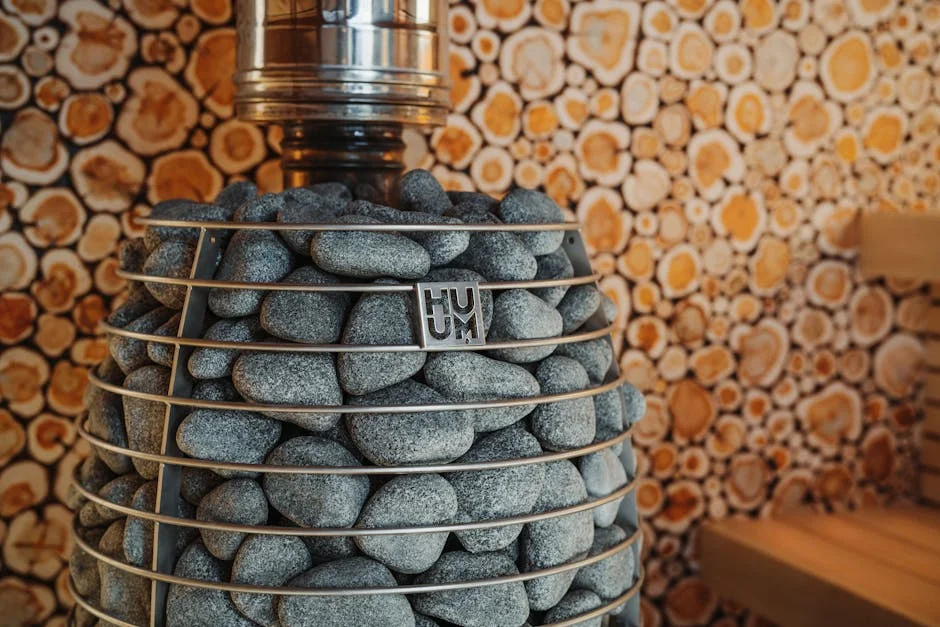
Output rating is the spec that eliminates or validates every other consideration. The standard formula used across sauna manufacturers calculates required kilowattage from room cubic footage, with an additional factor for below-grade rooms or poorly insulated construction. An undersized stove runs continuously and never reaches the 70-90°C range that defines an effective sauna session. An oversized stove overshoots temperature rapidly and makes session management frustrating.
For rooms with tile, concrete, or window surfaces, all of which increase thermal load, manufacturers typically recommend sizing up. The Harvia documentation for both the Legend and the Pro 20 addresses this directly. Matching stove to room is the decision that has the largest impact on satisfaction; the aesthetic and construction details are secondary.
Permanent vs. Portable: Clarifying the Use Case First
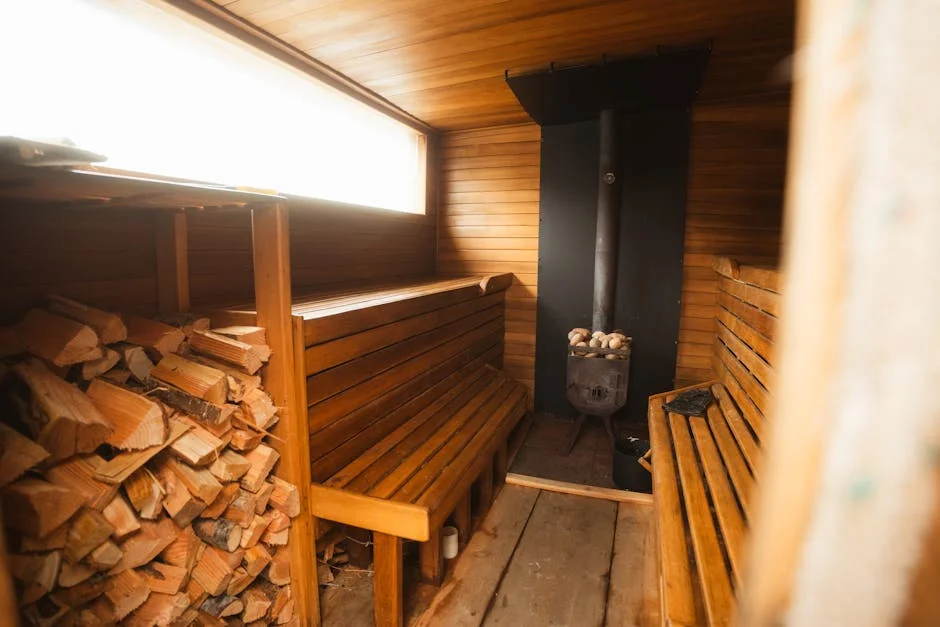
Before comparing specific stoves, the permanent-versus-portable question needs a clean answer. A buyer planning a fixed home sauna room and a buyer planning a mobile hot-tent setup are shopping for fundamentally different products that happen to share a category name. The Harvia Legend and Pro 20 are permanent installation stoves; the Upgraded and SweatTent units are portable field stoves. Evaluating them against the same criteria produces confusion.
Permanent installation stoves reward patience, cast iron heat retention, high stone capacity, and the slow development of the fire are part of the sauna ritual for many buyers. Portable stoves prioritize speed, low weight, and multi-function use. Neither is a compromise version of the other. Clarifying which experience you’re building for is the most productive first step in this purchase.
Understanding Chimney and Venting Requirements
Chimney routing is the most technically demanding part of any wood-burning sauna stove installation. For indoor permanent units, the chimney must exit through the ceiling or wall with appropriate clearances and fire-stop collars. The flue diameter must match the stove’s exhaust outlet, mismatch creates draft problems and combustion inefficiency. Local building codes specify chimney height above roofline and required clearances from combustible framing.
For portable tent stoves, the chimney pipe sections shipped with the unit set the exit height and configuration. A spark arrestor on the exterior end of the chimney is standard practice and in many jurisdictions required. Carbon monoxide risk in enclosed tent structures is real; adequate vent area and a working CO detector are not optional precautions. The full range of installation considerations for both permanent and portable setups is covered in the wood-fired sauna resource section.
Wood Type, Seasoning, and Burn Quality
The stove’s performance is only as good as the fuel you put in it. Seasoned hardwood, oak, maple, birch, ash, burns hotter and cleaner than green wood or softwood. Green wood produces excess smoke, accelerates creosote buildup in the chimney, and delivers less usable heat per volume. The Finnish sauna tradition favors birch specifically for its clean burn and the mild aroma it imparts to the sauna room.
Wood should be split to a diameter that fits the stove’s firebox comfortably with room for air circulation. Overloading the firebox to reduce reload frequency is a common mistake that reduces combustion efficiency and increases smoke output. Two to three moderately sized splits burning completely outperform a packed box smoldering. Buyers who factor ongoing fuel sourcing and storage into their planning get more value from their stove from the first session.
Safety Clearances and Ongoing Maintenance
Minimum clearance requirements from combustible surfaces are non-negotiable. Stove manufacturers publish these specifications in installation manuals; local codes frequently add additional requirements. Wall and ceiling surfaces within the clearance zone should be protected with non-combustible materials, cement board, stone, or purpose-made heat shields. The sauna bench position relative to the stove also requires attention; a bench placed too close to the firebox creates a burn risk that no stone guard fully mitigates.
Ongoing maintenance includes ash removal, annual chimney inspection for creosote accumulation, and periodic inspection of door seals and gaskets. Cast iron stoves benefit from occasional re-seasoning of exposed iron surfaces to prevent rust in the humid sauna environment. Addressing maintenance on a consistent schedule extends stove lifespan significantly, the Harvia units in particular are built to last decades with appropriate care.
Frequently Asked Questions
How long does it take a wood burning sauna stove to heat up?
Heating time depends on stove output, room volume, insulation quality, and wood type. A well-matched stove in a properly insulated room typically reaches bathing temperature in 45 minutes to an hour and a half. Seasoned hardwood and a properly established fire accelerate this considerably. Portable tent stoves operating in smaller enclosed volumes often reach temperature faster than permanent installations in larger rooms.
Do wood burning sauna stoves require electricity?
No. Wood-fired sauna stoves operate entirely without electricity, this is one of their defining practical advantages for off-grid cabins, remote properties, and outdoor use. The fire provides both heat and the thermal mass needed for löyly. The only electrical components that sometimes accompany a wood-fired sauna setup are optional ventilation fans or lighting, neither of which is required for the stove itself.
How does the Harvia Legend compare to the Harvia Pro 20 for home use?
The core difference is output rating and body material. The Harvia Legend delivers 16kW through a cast iron body that retains heat longer after the fire settles. The Harvia Pro 20 outputs 24kW in stainless steel, heating faster and suited to larger rooms. For medium-sized, well-insulated home saunas, the Legend’s cast iron mass and sustained heat retention are the advantage.
What type of wood is best for a sauna stove?
Seasoned hardwood is the consistent recommendation across the sauna community and Finnish tradition alike. Birch is the traditional choice, clean burning, moderate aroma, and low creosote production. Oak, maple, and ash are strong alternatives where birch is difficult to source. The key variable is seasoning: wood should dry for at least one full season before use.
Can I use a portable tent sauna stove in a permanent sauna room?
Using a portable tent stove in a permanent sauna room is generally not advisable. Portable stoves are sized and designed for the volume of a tent structure, not a dedicated sauna room, output is typically insufficient to bring a larger insulated space to proper bathing temperature. Permanent rooms also require chimney routing through walls or ceilings that portable pipe sections are not designed to handle safely. For permanent installations, the Harvia Legend or Pro 20 are the appropriate choices.
Where to Buy
Harvia Legend Wood Burning Sauna Stove, Traditional Wood Burning Stove for Indoor Heating, Premium Cast Iron Sauna Heater with Large Stone Capacity, Includes Sauna Rocks, Powerful 16kW CapacitySee Harvia Legend Wood Burning Sauna Stov… on Amazon